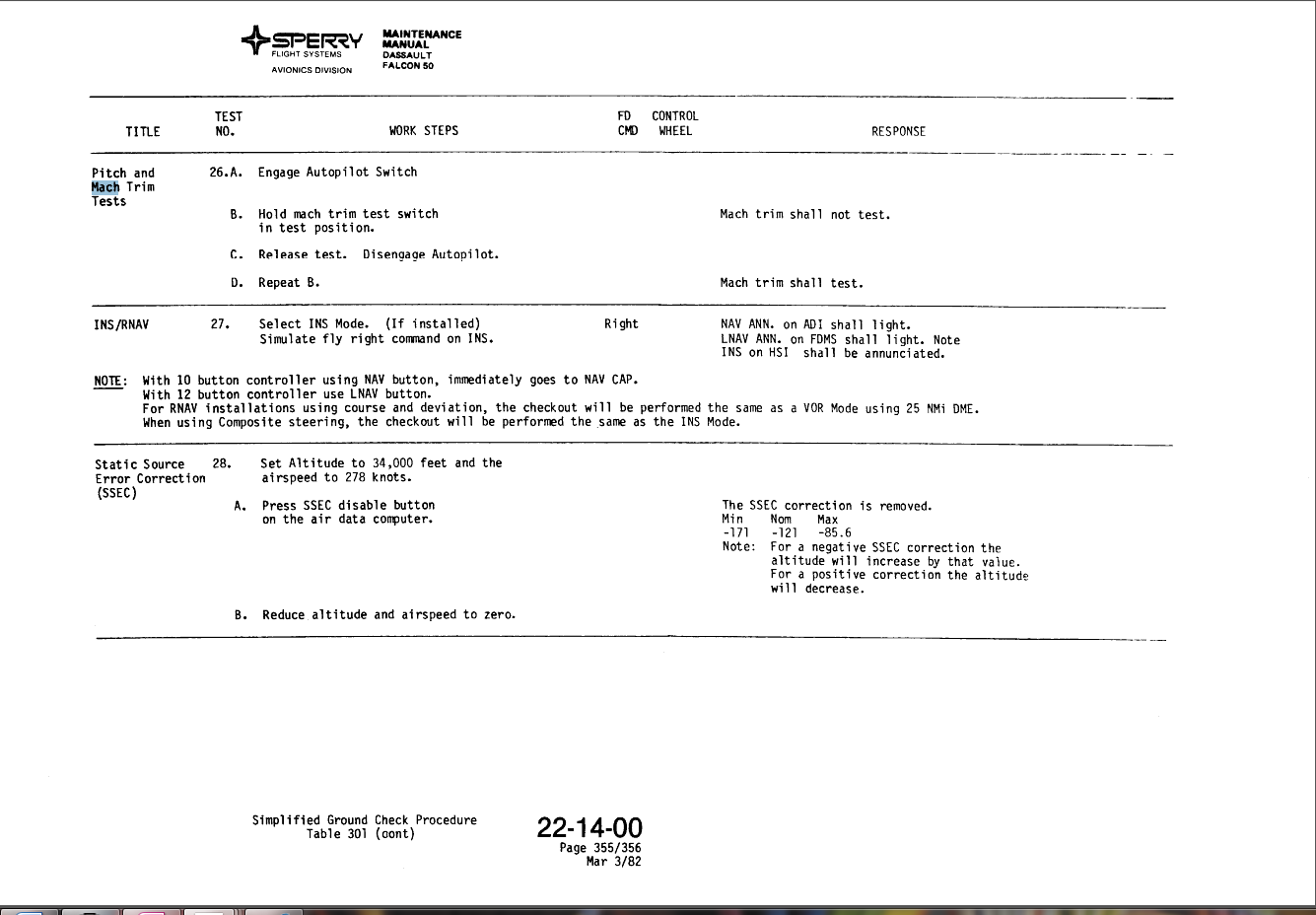
Today’s date 20 Oct 2016

Left

Right

Today’s date 20 Oct 2016
Left
Right
Registration change
Change FAA registration number to N—–H(?).
Change painted number on fuselage.
Fabricate placards for cockpit.
Strap change ELT to new ICAO number.
Send ELT to be reconfigured for new N Number.
Assure life raft ELT’s are registered properly.
https://beaconregistration.noaa.gov/RGDB/index, you need a login and the ELT HEX ID.
Strap Transponders to new ICAO, ADSB Strapping

http://www.avionictools.com/icao.php
Change N Number in FMS setup page(?).
Assure AFIS is configured for new N Number or deactivate AFIS.
Change N Number at EFIS maintenance screens. (NA for Primus 2000)
Verify Airshow does not display old N Number.
Update Camp registration.
Verify RVSM manual does not require update.
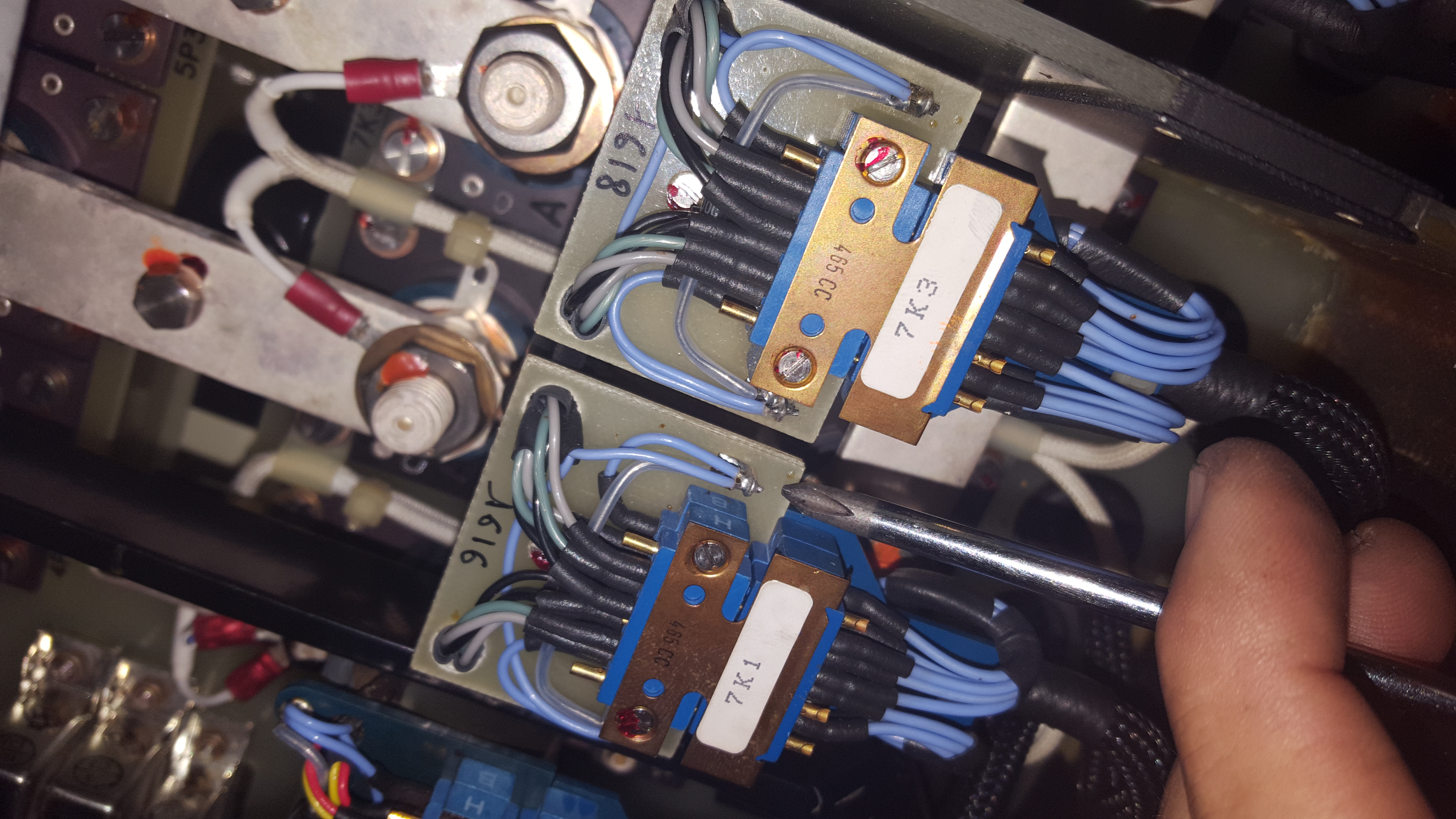
These two small studs are the wires for the field colapse diode across the coil.
The diode here below the wires. It is not significant to your troubleshooting, but the studs are.
You can attach the leads of your troubleshooting light to the studs, and you are watching the coil voltage.
There is a HUGE amount of pressure that pushes the door outward when the airplane is pressurized. It causes the feet to lock in place then jump a little as the fuselage grows with pressure. The feet must be perfectly polished and clean to prevent this. There must be a SMALL film of grease on each foot.
This is the dome shaped foot on the door.

This is the flat foot on the air-frame. interestingly it has a slight pattern of vertical lines that are worn away on the contact patch.

the tiny polished spot is the contact patch
The contact patch for each foot is only about a quarter inch around or less in some places
looking at the pressures applied to these feet:
Door is about 34 inches by 80 inches.
2720 square inches, 9.1 psi of pressure,
24752 pounds pushing out on the door.
10 door stops, so about 2400 lbs pushing on each stop.
.25 X. 25 inch contact patch means
2400lbs / .0625 sqin = 38000 psi pushing on each contact patch …….
.
Ddddd
Door seal cut near fwd tele.
Corrosion at AOA dust cover holes.
Rusty screws at RH light and wing walk light.
Fwd left coat closet curtain needs clips at top and velcro.
Bus tie SW loose. Tightened BUS TIE knob. Bus tie ops checks good.
One screw at Pilot overhead headliner missing
Cork at VIP 2R seat cup holder needs replaced.
Carpet between VIP seat and sidewall vacuum
Tiny scratches at VIP seat 2R monitor plug door.
TR UNSAFE red each time Thrust Reverser is stowed.
After landing ASCB AFCS 1 fail . Yellow left arrow. Noted maintenance fault history shows EDS1 and EDS2 both indicate a DAU2 problem. Swap DAU1 and DAU2 for troubleshooting.
Baggage door stops immediatly at fully closed position. Baggage door step rattles, check microswitch.
Hand fact fwd disconnected
Plug that connects dink is 200j

https://sites.google.com/site/easylinuxtipsproject/18
Floorboard tape, watersealant tape, corrosion prohibitant
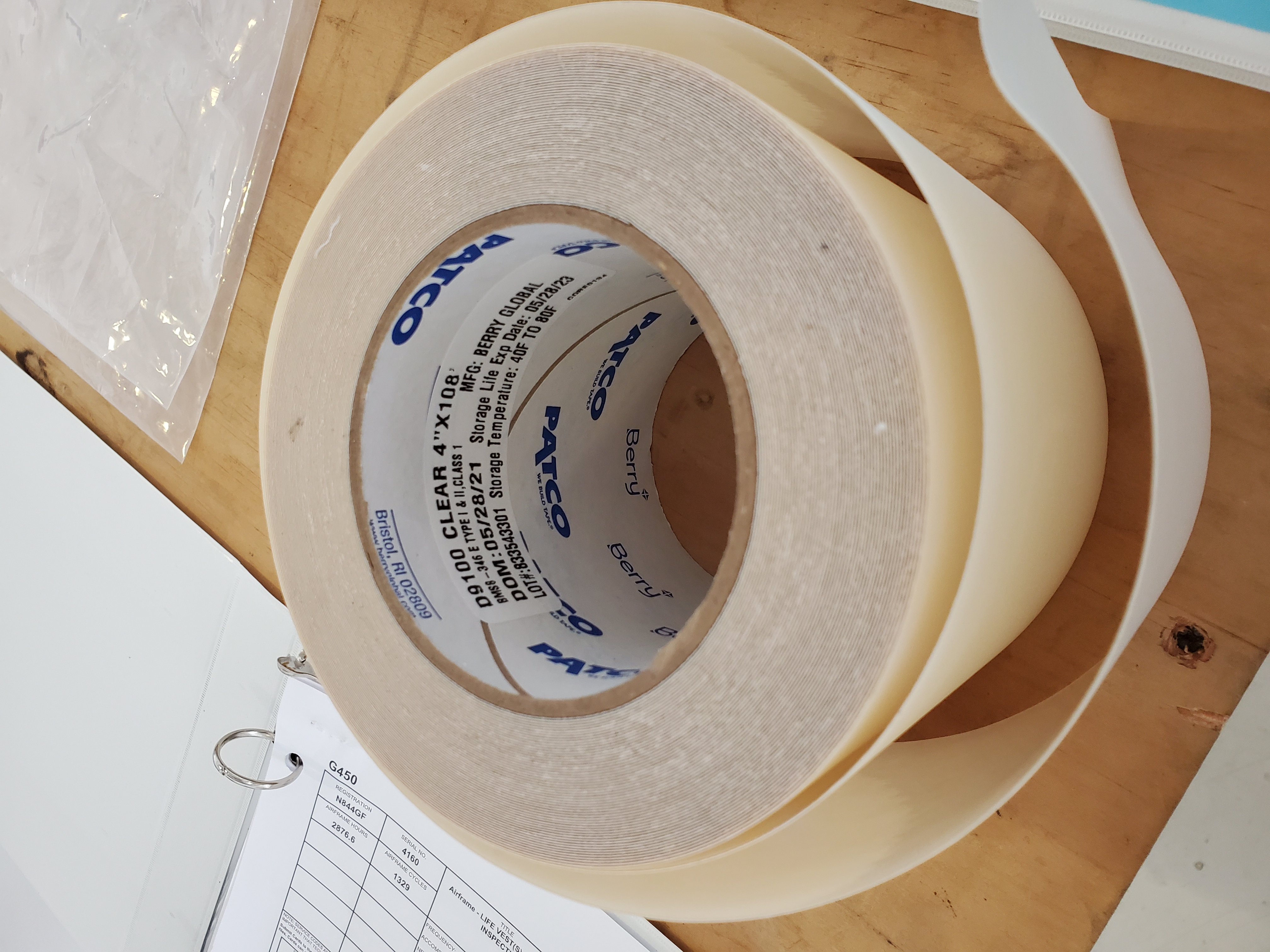
Fibre glass tape
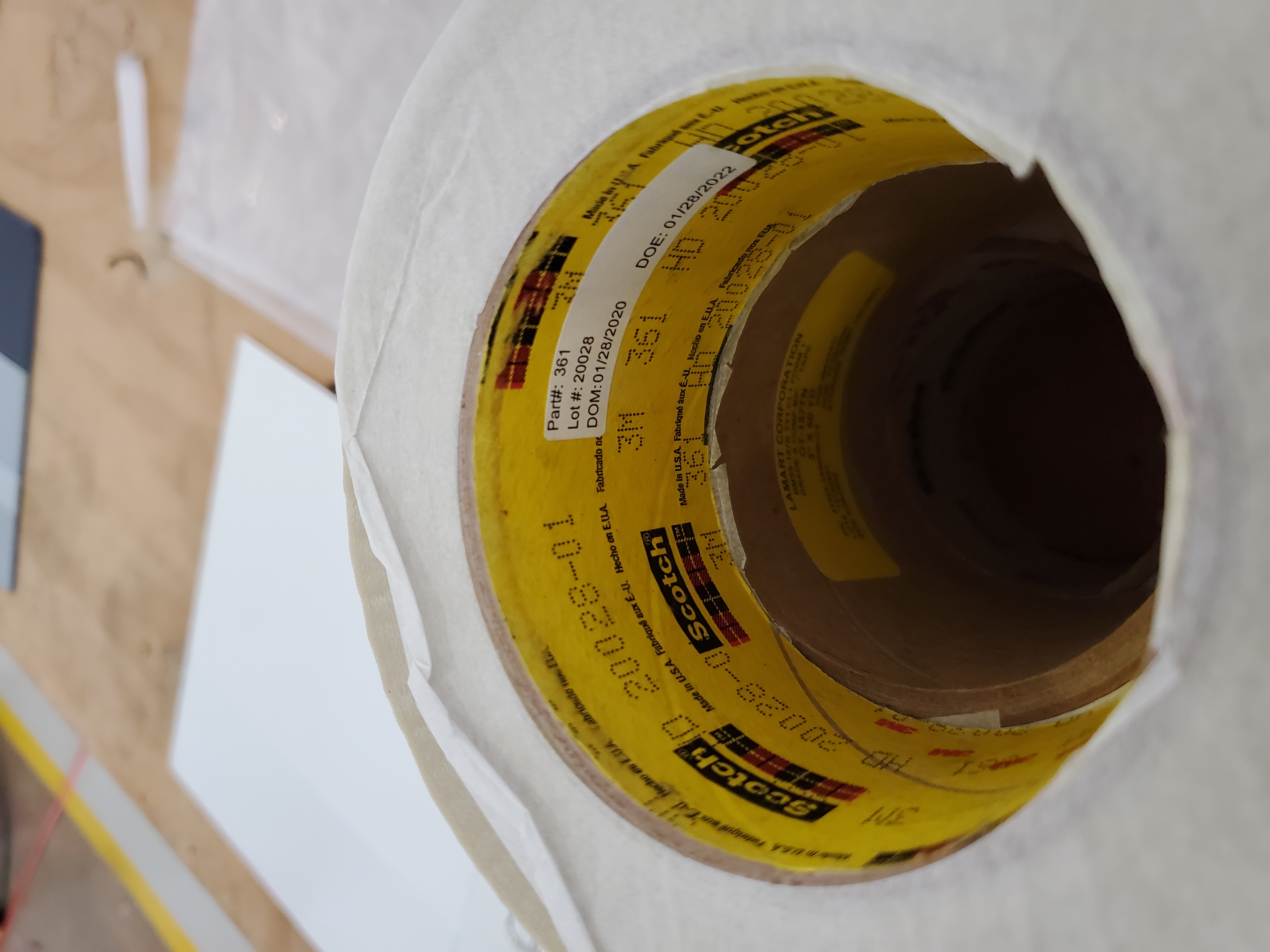
Thin white tape with fibre reinforcement. Very dificult to remove.
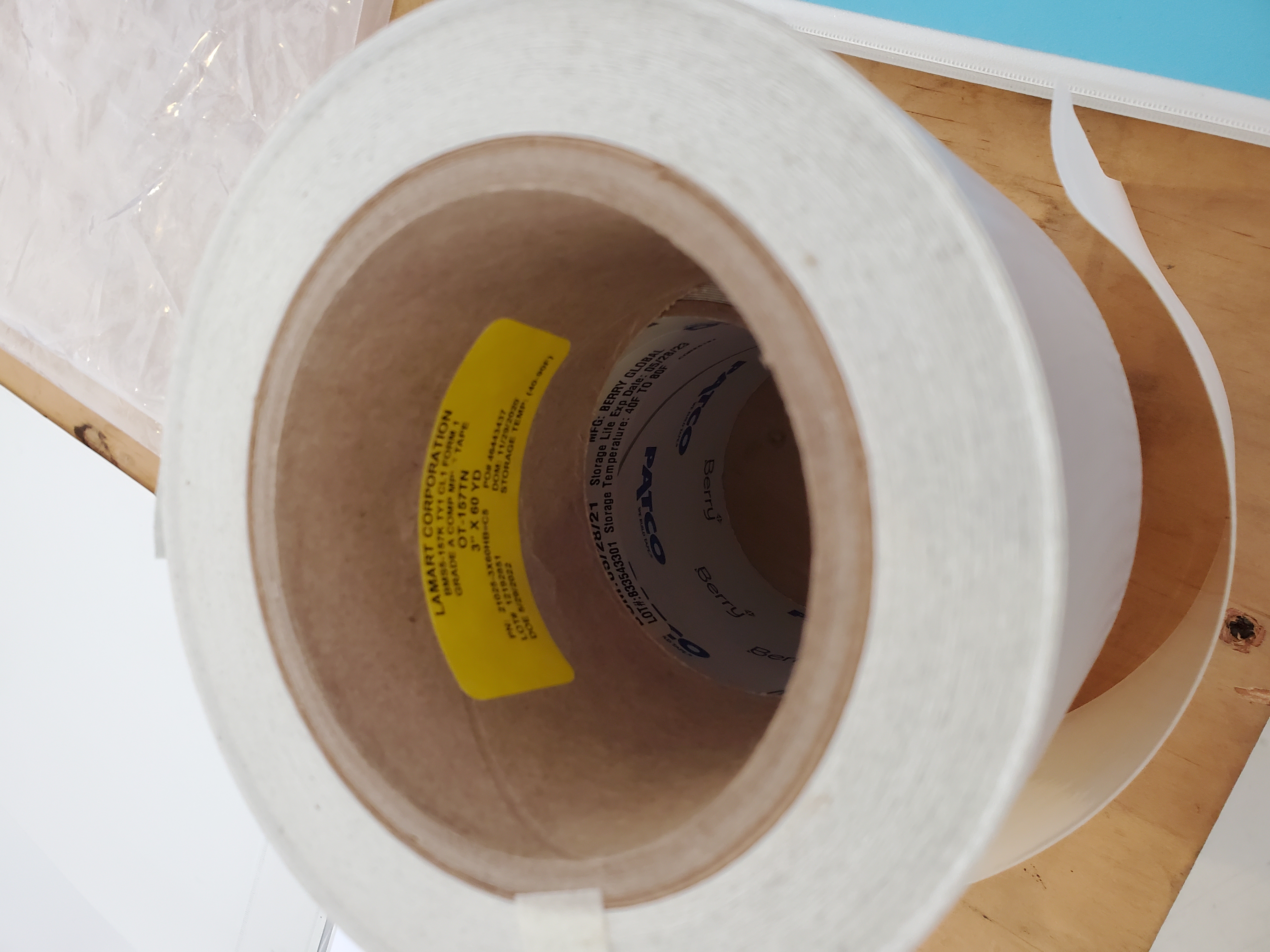
Black floor panel tape at gulfstream G450 near gear well aerea
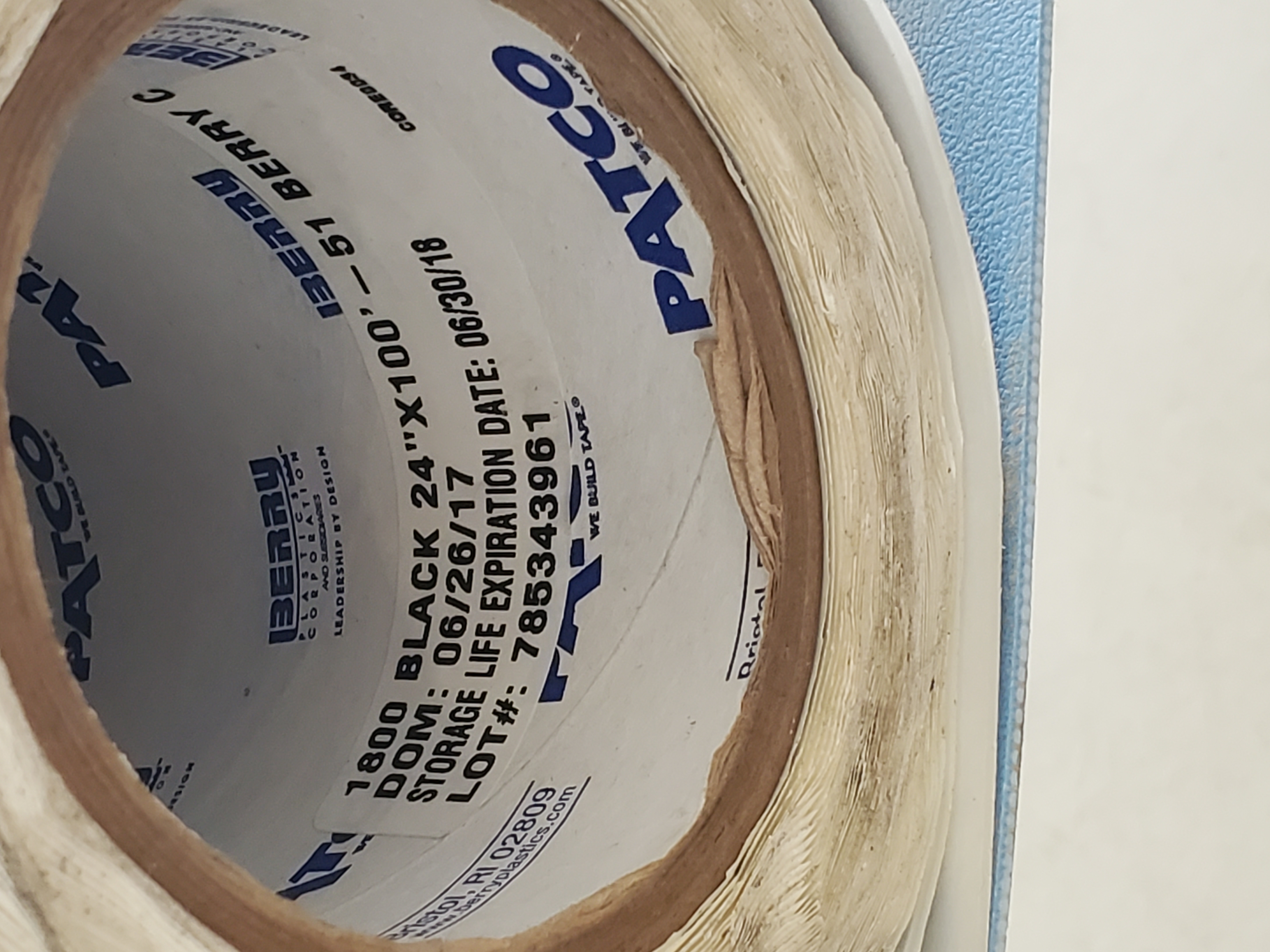
black neaprene tape on baggage door.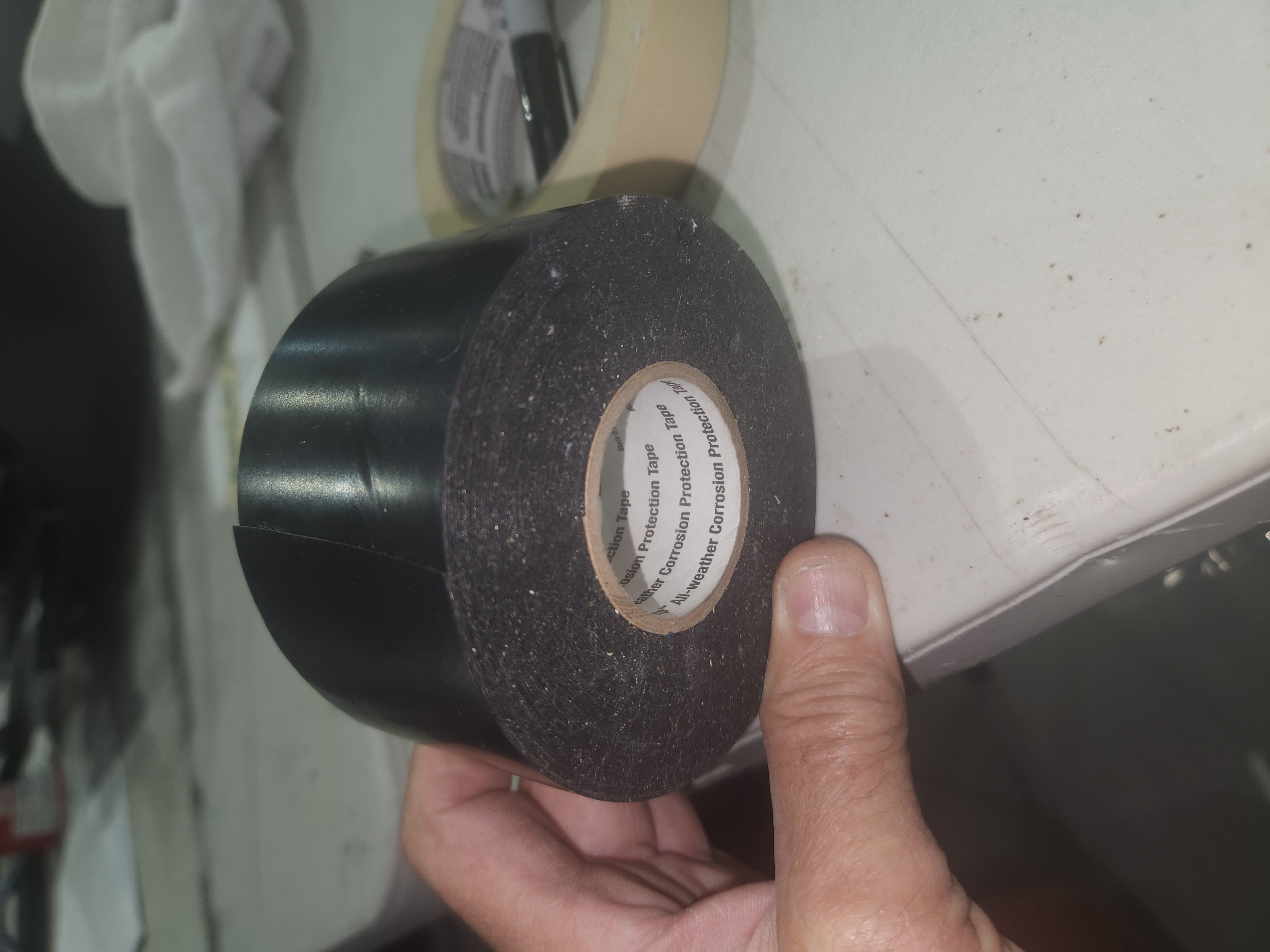
Gulfstrem leading edge tspe, good for floors Continue reading Floor tape, teflon tapes
Ata 30

 Re: Low oil pressure blinking with good pressure.
Hope this is what you want.
http://www.team-integra.net/forum/11…s-turning.html
The low oil pressure indicator light works in two ways: it flashes continuously following a momentary loss of engine oil pressure, or it comes oN and stays oN with a complete loss of engine oilpressure.
When the engine first starts, before its oil pressure rises above 4.3 psi , voltage is applied to the closed and grounded engine oil pressure switch and the light comes oN to test the bulb.
With the engine running, voltage is applied at the WHT/BLU wire of the integrated control unit. With normal engine oil pressure, the engine oil pressure switch is open and the low oil pressure indicator light does not come oN. If the engine oil pressure switch closes momentarily (more than 0.5 seconds ) but then opens again, the YEL/RED wire at the integrated control unit will sense ground through the switch. The integrated control unit will then provide and remove ground for the low oil pressure indicator light through the YEL/RED wire. The light will flash oN and OFF until you turn the ignition switch OFF. The flashing feature will not work until 30 seconds after initial voltage is applied to the WHT/BLU wire of the oil pressure indicator flasher circuit. This delay keeps the low oil pressure indicator light from coming oN during engine warmup.
If engine oil pressure falls below 4.3 psi and does not increase, the engine oil pressure switch will stay closed. The low oil pressure indicator light will then come oN and stay oN.
Another thread:
http://www.team-integra.net/forum/11…oil-light.html
“The oil light flashes when the oil PRESSURE momentarily drops below 4.3 PSI and will continue to flash until the ignition is turned off. If the oil pressure stays below 4.3 PSI, the light will be constantly illuminated.”