Check fuel sock in the tank , fuel filter , evaporative system fuel cap and calatic converter. Fuel tank could be pulling a vacuum.
Inline fuel filter mounted inside the driver’s side frame rail, roughly aligned with where the front of the truck bed meets the back of th
I have a pressure gage for the fuel rail.
#6 Valves dry:
Let’s put an overdose of SeaFaom in the oil and run it, on the chance a minor blockage of baked on oil will clear.
Also lets blip the throttle above idle, and see if some oil comes out of #6.
AI SLOP.:
Causes of Dry Valves on Cylinder #6
Clogged Pushrod: The hollow pushrod for that specific rocker arm is plugged with sludge or carbon, stopping oil from flowing up to the rocker.
Blocked Oil Galley / Deck Hole: The oil passage hole in the engine block or cylinder head gasket near the rear of the engine (cylinder 6 is at the very back) is blocked by gasket material, RTV sealant, or heavy sludge buildup.
Excessive Rocker Arm Clearance / Worn Shaft: Excessive wear between the rocker arm and shaft can bleed off oil pressure elsewhere, starving the end of the train.
Misaligned Head Gasket: A head gasket installed incorrectly or slightly misaligned can partially or completely block the oil feed port leading to the upper valvetrain at the rear of the block.
How to Check and Fix It
Remove the Valve Cover: Start the engine briefly (be prepared for some oil mess) and see if oil is pumping up through the pushrods to the other rockers and why #6 is bone dry.
Clear the Pushrod: Pull the pushrod on cylinder #6 and blow compressed air through it or run a thin wire down the center to clear any trapped debris.
Inspect the Oil Feed: Check if oil is making it to the cylinder head deck at the rear of the engine. If no oil reaches the head at all, a blocked galley or misaligned gasket during a past repair is the likely culprit.
The direct ITT Cannon equivalent series for the Souriau part number 85106RT106SW55 (which is a MIL-DTL-26482 series
? Breakdown of Part Numbers
Original Part: Souriau 851 Series (Bayonet-locking, size 10 shell, 6 contacts, socket/female, ‘W’ polarization).
ITT Cannon Equivalent:KPT06...10-6SW (KPT Series, MIL-DTL-26482 Series I intermateable).
I solder termination or a specific backshell style (like MS3116 / cable clamp), I can give you the exact ITT Cannon catalog part .
?? Exact Part Number Matching
Standard Military-Spec Version (with Cable Clamp & Bushing): ? KPSE06F10-6SW (This features integrated strain relief and an MS3116-style cable clamp, making it the most direct functional layout match for a standard 85106RT plug).
Environmental / Potting Version (No Outer Clamp): ? KPSE06E10-6SW
?? Contact Ordering Warning
By default, standard ITT Cannon KPSE series part numbers include loose crimp socket contacts in the packaging. However, if you are sourcing from an assembly distributor that utilizes a “less contacts” modifier, the part number may include an -F0 suffix = no.pins supplied.
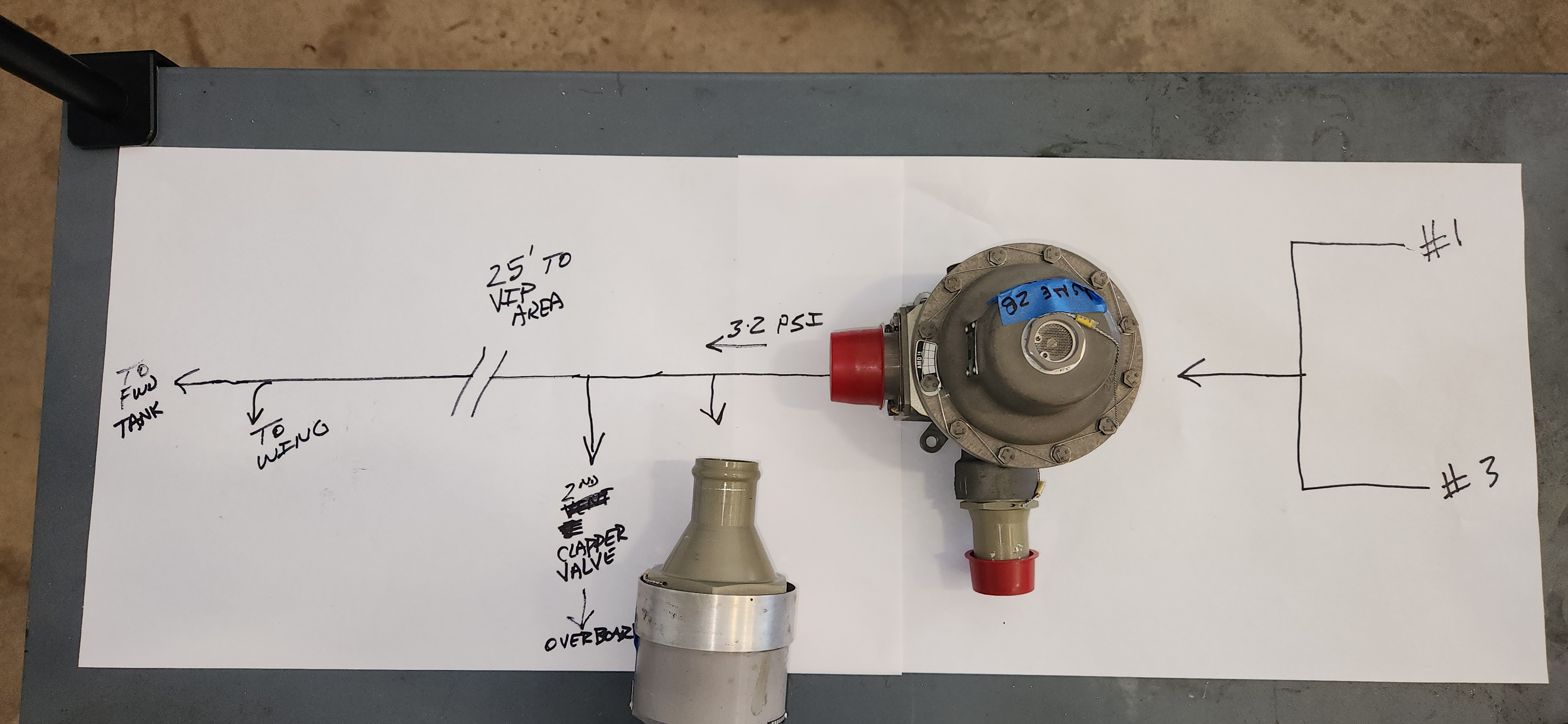
TLDR : (Best idea as of July 1 , 2026) A failed Tank Pressure Valve overpressurizing to the point that the Clapper valves slightly open and resonate the front fuselage tank through the !25 foot long! pressurization tubes. ?We have installed 2 failed replacements? And later, 3 failed replacement?
Long Story:
We are chasing a very elusive noise at the VIP seating area floorboards. Occurs during climb only. Slats clean only. !First flight of the day ONLY!!!!!, with one SLIGHT exception) , 4000 to 10,000 feet altitude (initially). Starts out as a hoot, then drives the floor boards with a drumming rhythm enough to see your legs move.
After installation of a loaner tank press valve, squawk changed to 7500 ft to 20,000 feet. (did we put a bad loaner Tank Press valve in it?)
Never occurs in cruise, never on descent, not related to maneuvering,or wing heat. (Later observation: wing tank depressirization via the GRAVITY REFUEL switch will IMMEDIATLY stop the noise. Hard won knowledge)
Only replicates occasionally.
Sirenage was the obvious first suspect. (We did a full blast replacement of all seals and sirenage strips. The old seals were flat and deformed, so we thought we had it for sure)
Now, we seem to have confirmation that the Wing Tank Regulating Valve over pressurize enough (3.6 to 3.9) to crack the clapper valves at Frame 25. This drives the (empty) forward tank through the over wing pressurization tube. The Clapper Valves live up to their name…possibly.
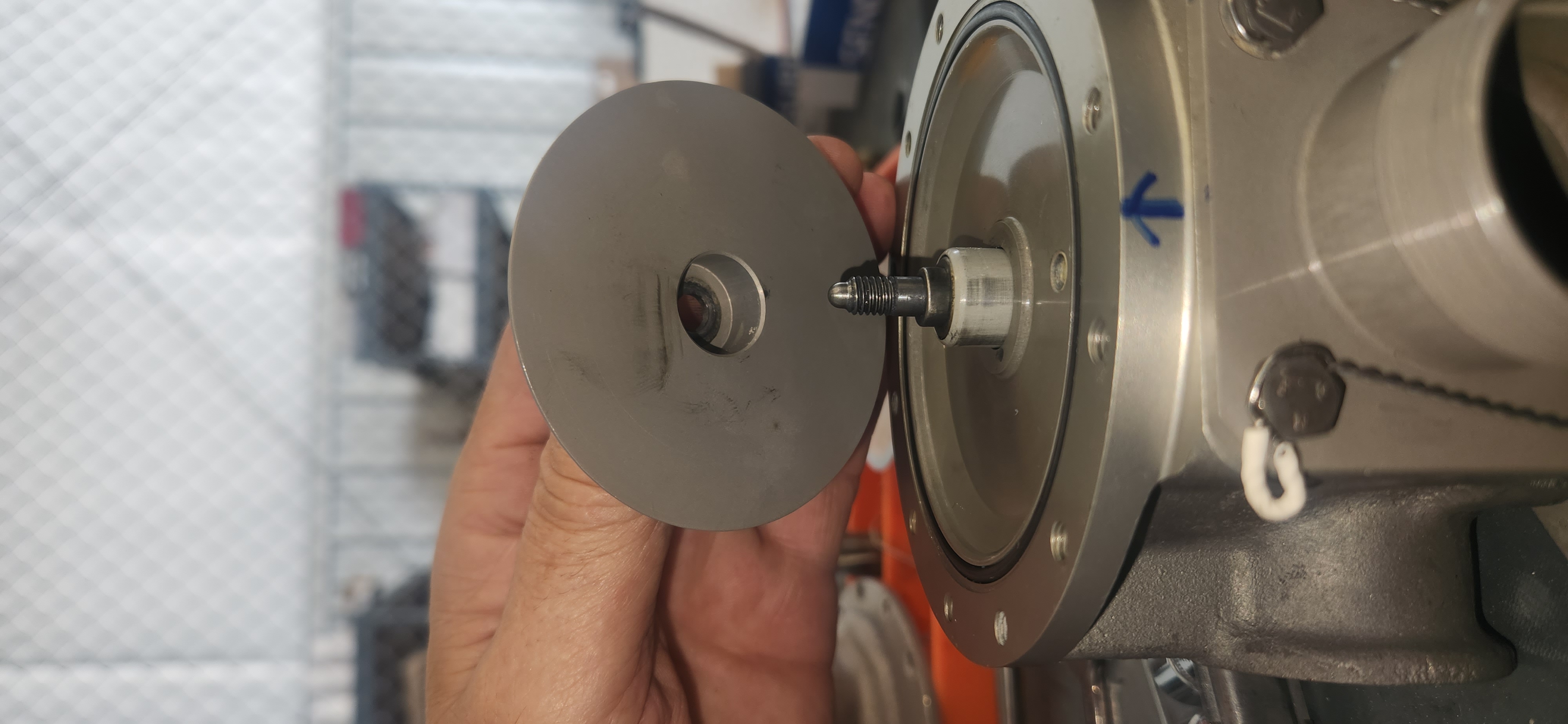
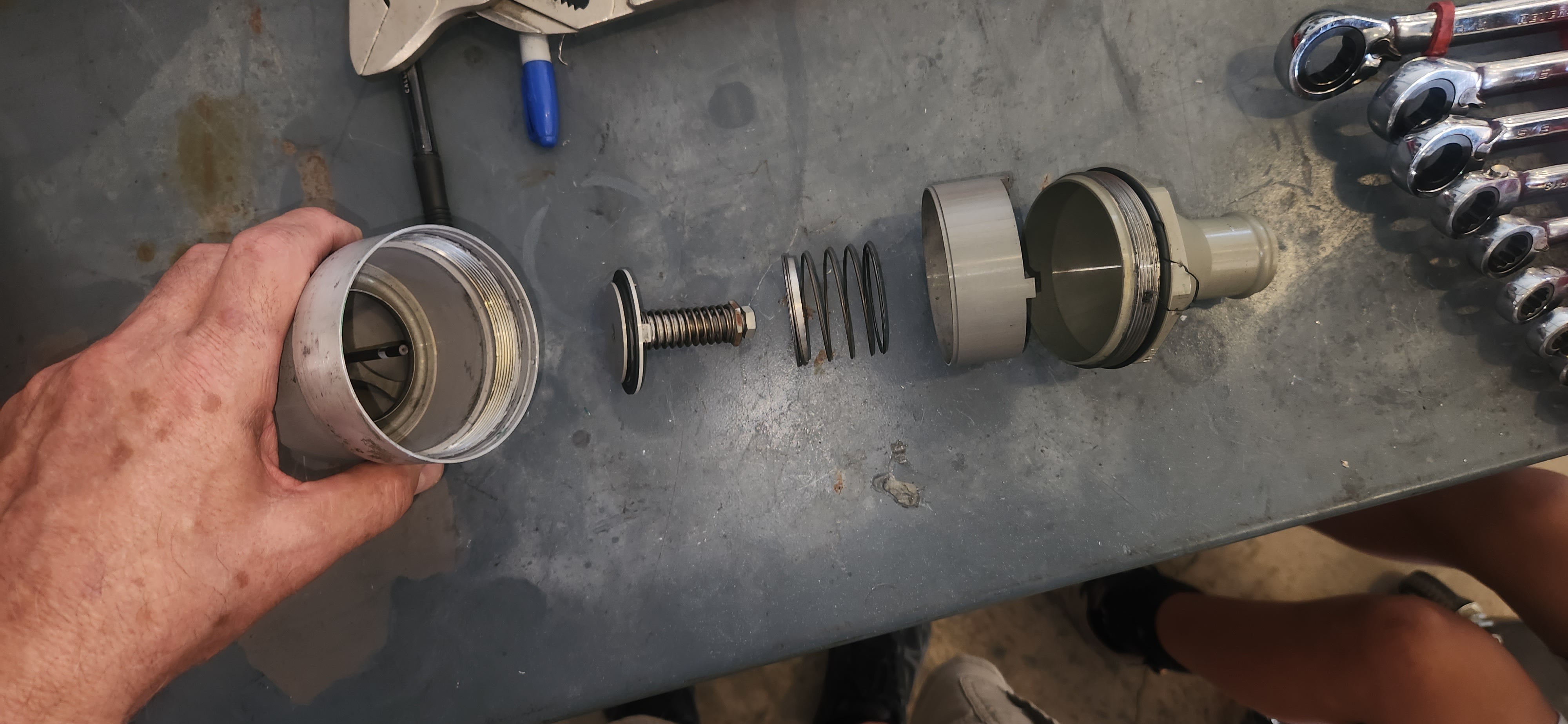
The original valve was later post-mortemed, it has scratches on the center shaft, and white dirt inside.
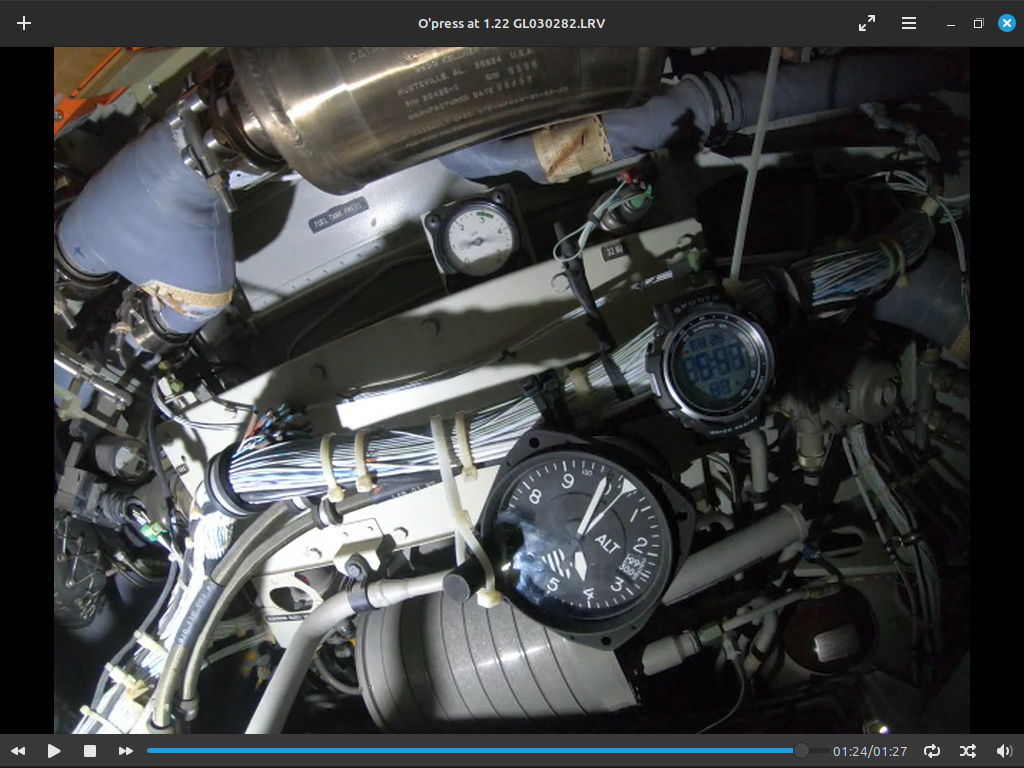
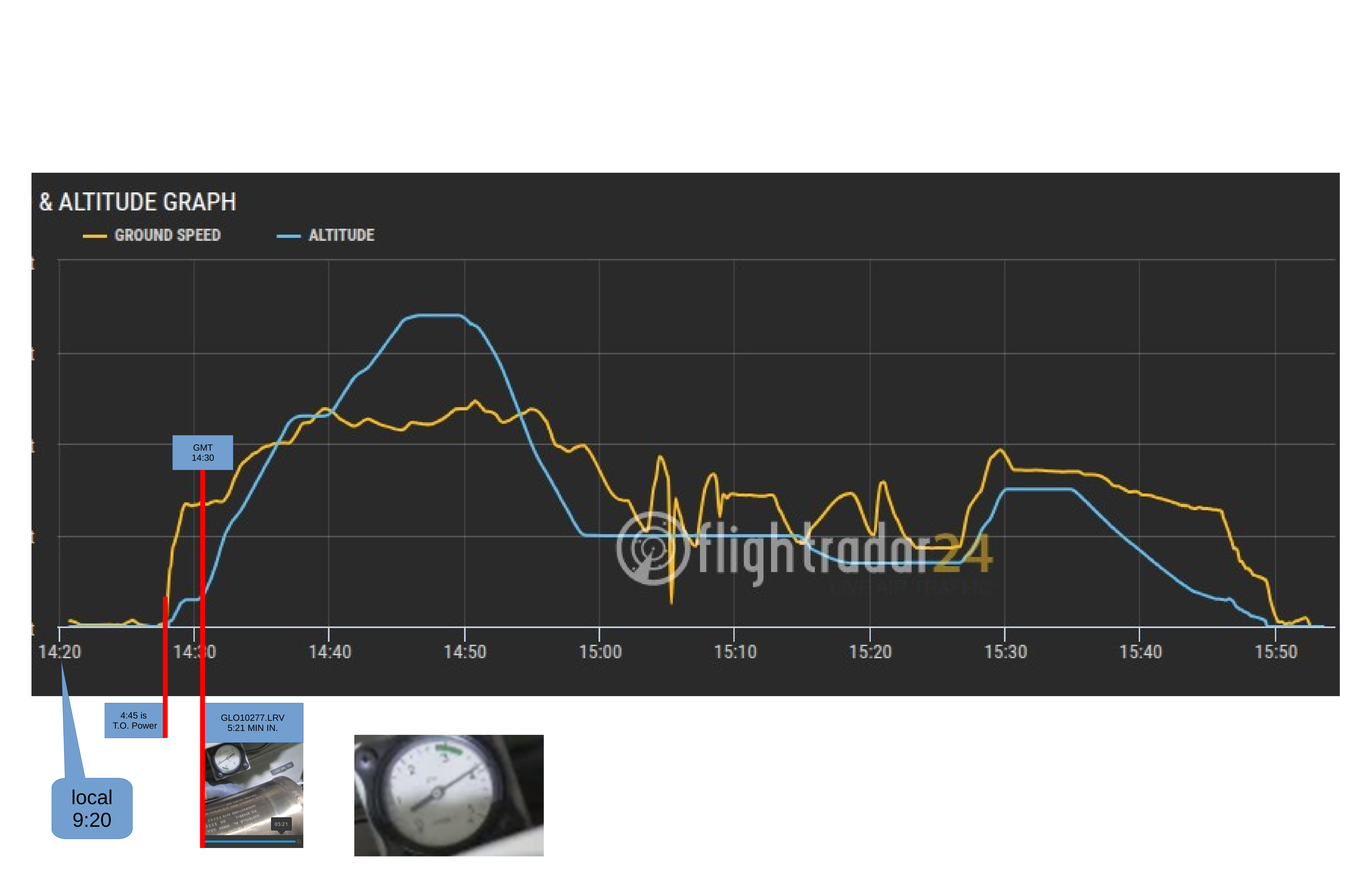
Take off is at 4:20, max O’press is at 5:20, then the clapper valves obviously crack open. (Upside down, pressure Gage is on the bottom) Goes to about 3.9PSI max, before it starts to shutter.
this was with the loaner valve from another in fleet airplane that was proved to be failed, cracked diaphragm retaining ring
here is the trimmed down video. the pressure gage(top, white face) runs up o about 4.5, then some thing lets go, the pressure back to about 4, then stays there while the needle shutter.
we plumbed in a second Gage at the 1 PSI bib to verify we are not chasing a gage problem (starts around 134)
July 1 2026 flight.
With a factory new pressure regulating valve, and 1 new Clapper valve, we still witnessed the noise ath the VIP seat area. The noise went away when we vented the tanks using the “Gravity refuel” switch. Then cam back briefly when the tanks pressurized again.
We captured the event on video. Starts at 5500 feet, the over pressure to 4.2, then a sudden decrease to 4.0 and the needle vibrates.
clipped video below, the altimeter( lower, black face) runs through 5500 feet, then the needle lurches down and starts to shutter. That is when we got the clattering noise in the floor board
We are now ordering another valve, this time an overhauled regulating valve. We are also ordering the outboard Clapper Valve for good measure.
We can now reproduce something similar to the noise by cramming high pressure shop air into a clapper valve.
We performed the tank leak down as per amm. We are within limits, with the minor leak being the 1 PSI valve.
July 2 troubleshooting with a exchange valve, Midway “Repaired” exchange regulator installed. It over pressurize to 3.6 then shutters for a minute or so.
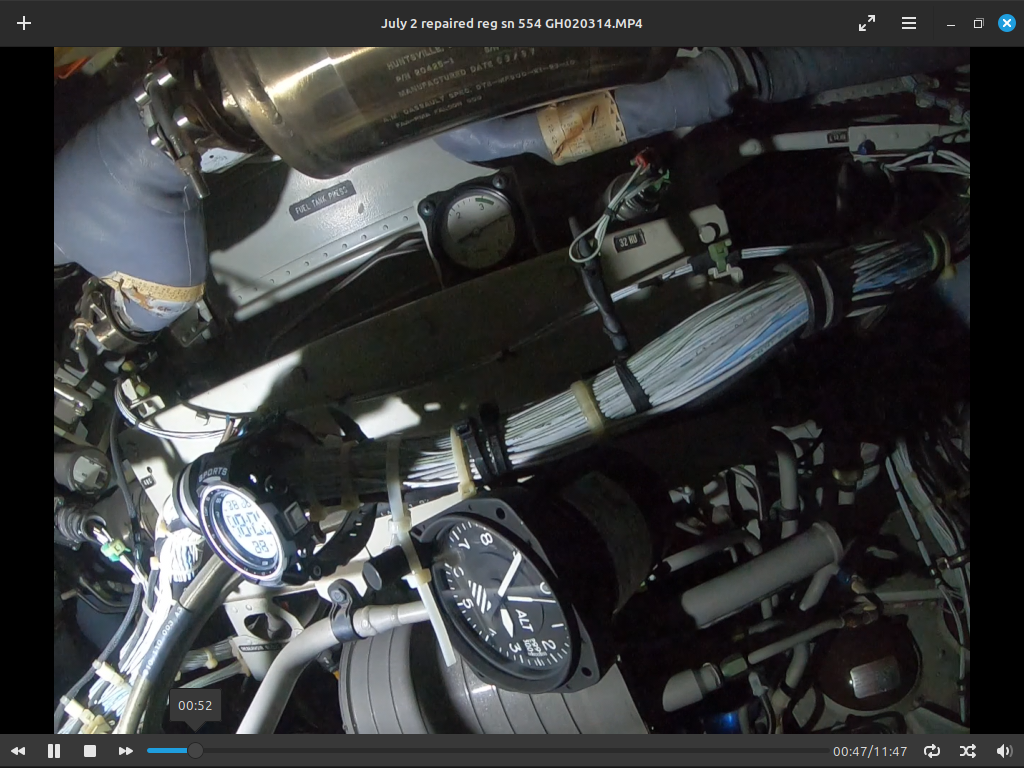
here is a picture of the valve, already 4 PSI by the time we get to 3000 ft AGL.
here is the long video of the July 2 flight.
Later , on the ground, we can hear the front tank drumming throught the skin of the airframe. https://youtube.com/shorts/05HVUKZIPUE?is=mZT29wfxynAhjpFp
July 3 troubleshooting
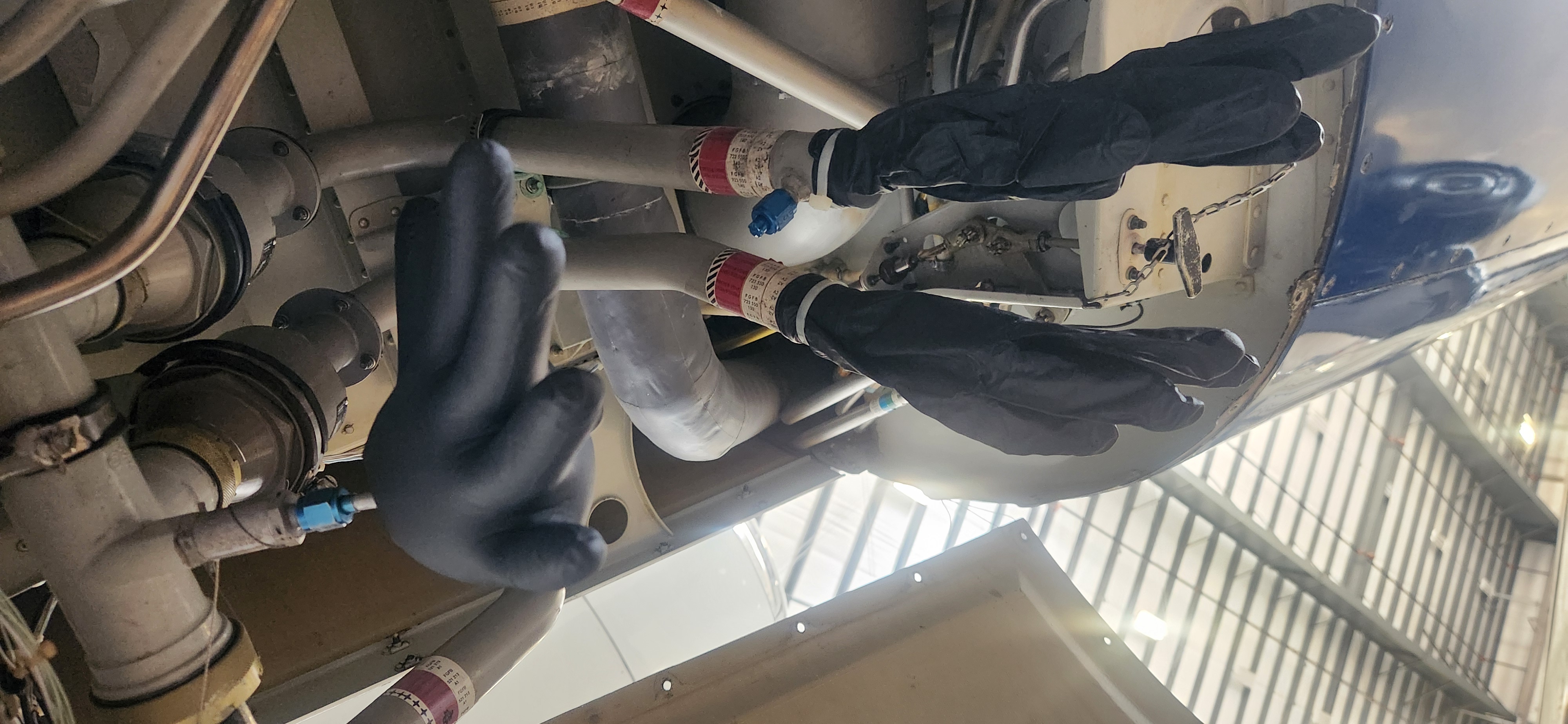
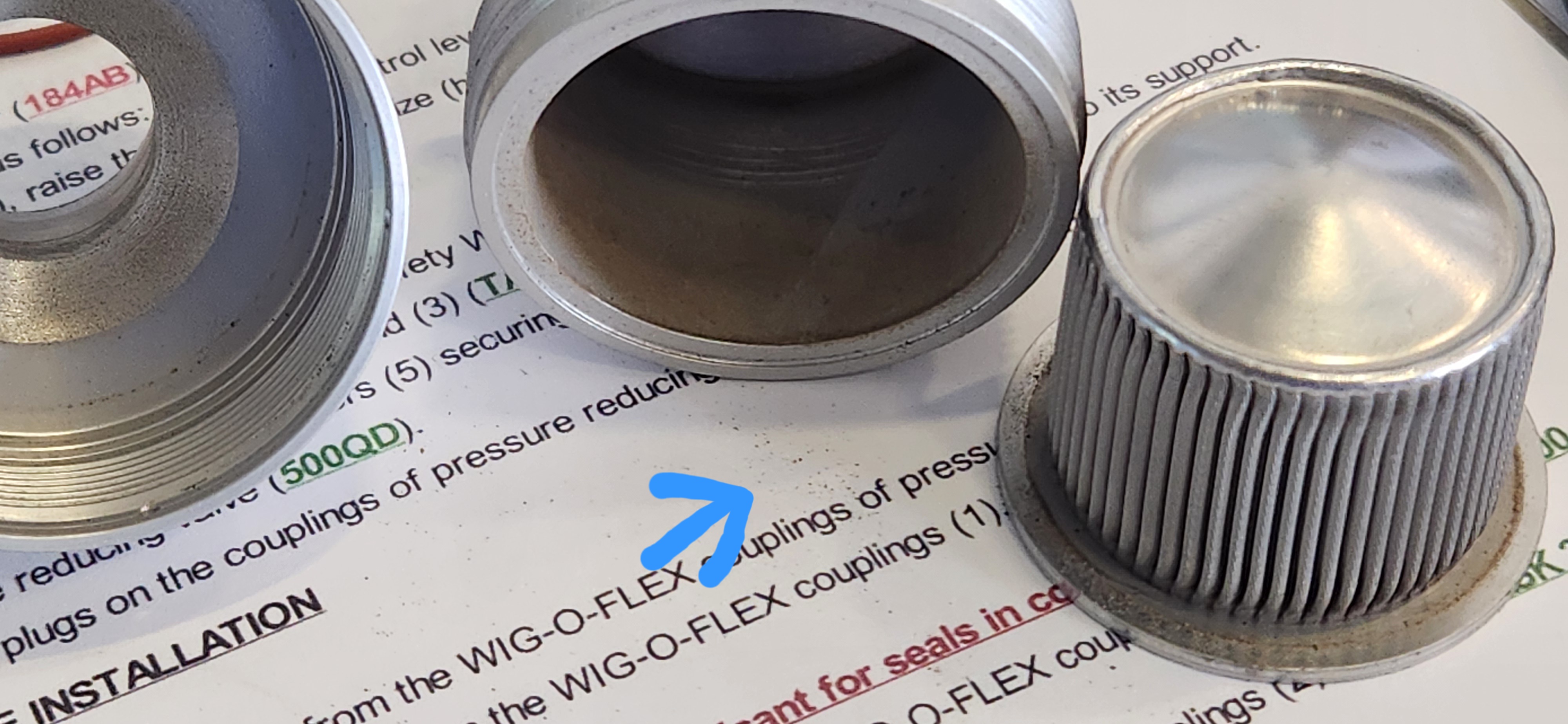
We suspicioned possibly fowled input filter would contaminate any installed reducing valves. Accesed and dissambled. Slight dust on only the number 2 engine filter. Not a factor. Performed check valve reverse flow check.
*****NOTE****** this is the OTHER in-fleet airplane, not the problem airctaft. We just flew this one with a camera to get normal inflight performance data points.
Here is a summary of our 4 failed valves.
_________
Previous troubleshooting areas.
AERO DYNAMIC-
SIRENAGE – (we did a complete removal of inboard and outboard slats to install all new seals and Sireage strips)
NACA SCOOPS (inspected)
Landing light cooling ducts (inspected)
GEAR DOORS (found RMLG Followup door loose, tightened 1/2 turn.)
FLAP FAIRINGS. (found one on the right flap canoe loose. replaced springs)
LANDING LIGHT LENSES. (found them loose, 1/4 of the way around, both lenses. removed and re-bonded)
SLIPPER FAIRING ON TAIL (it cannot be felt in the rudder pedals)
STRUCTURAL
EXTERIOR PANEL FAIRINGS (removed inspected most likely fairings)
PRESSURE RELATED -WATER
AIR PRESSURE RELATED-
DOOR SEAL, WINDOW SEALS (2.5 PSI diff and greater, door should be well seated by then)
DRAIN VALVE BOX (should be below galley, looking for this)
HYDRAULIC – P. brake valve at VIP right elbow. (Does not make a hammer sound)
Definitly repeatable on the ground. Most obvious when ATIS is beaking the com squelch, but no ATIS voice.
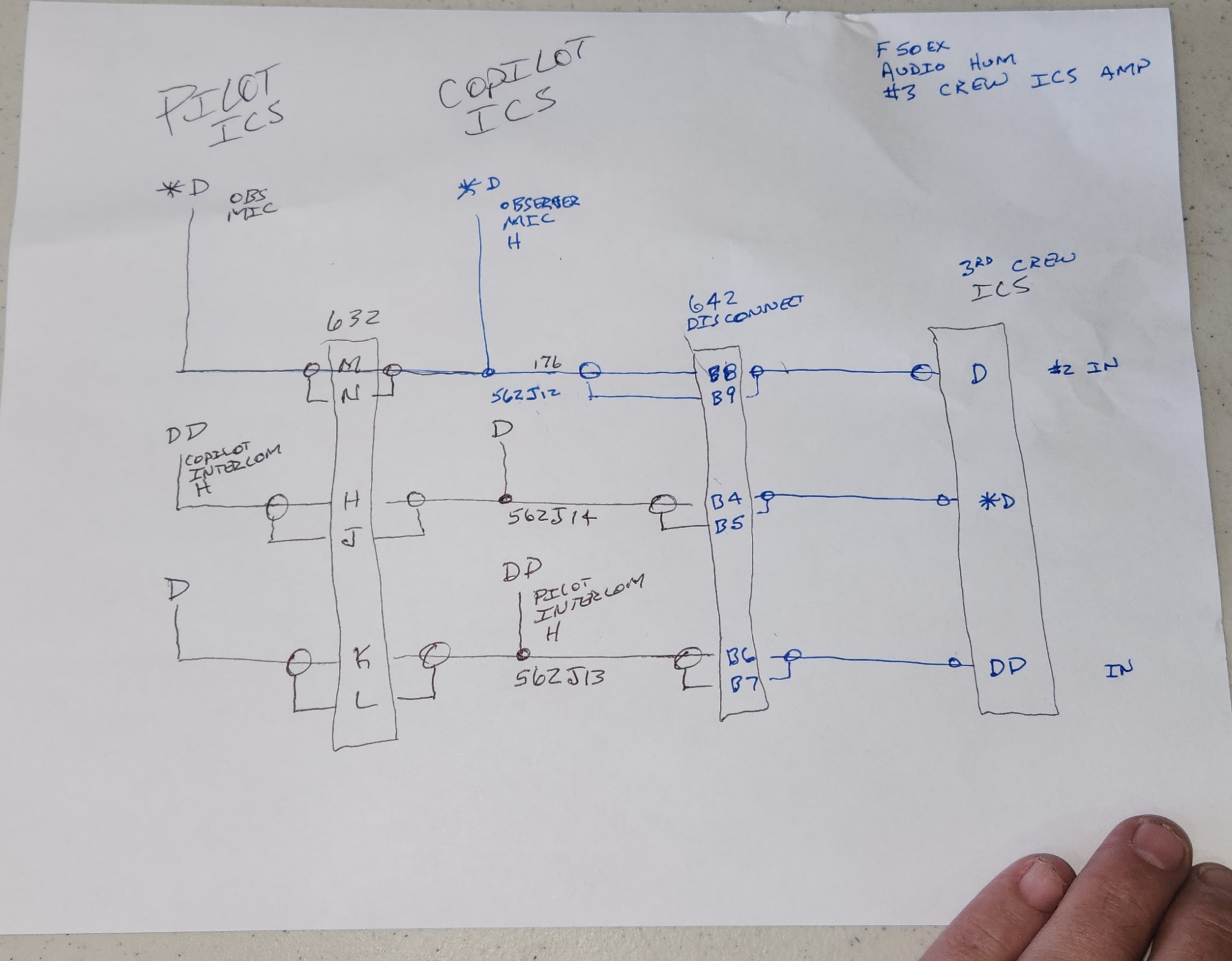
When 3rd crew audio panel is unplugged, noise goes away. Pretty repeatable.
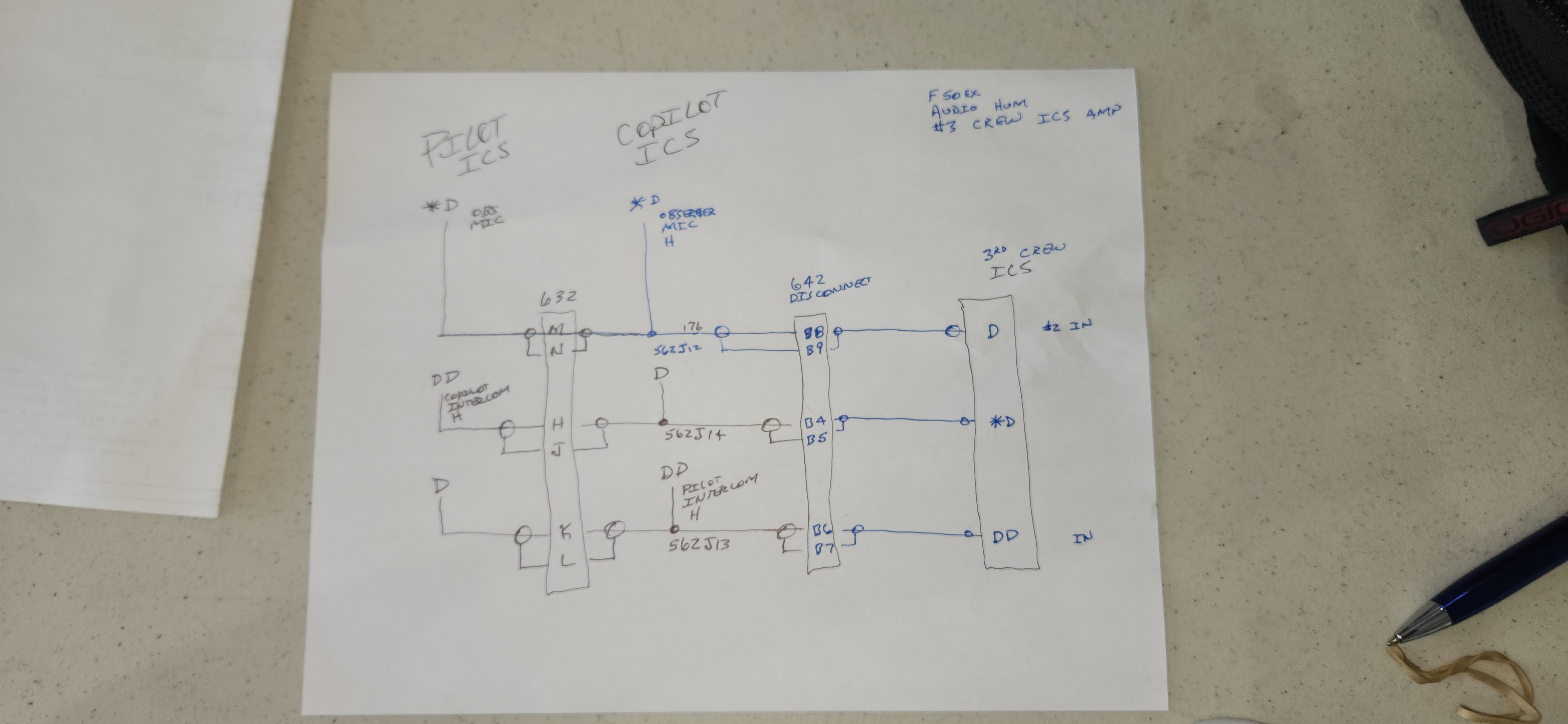
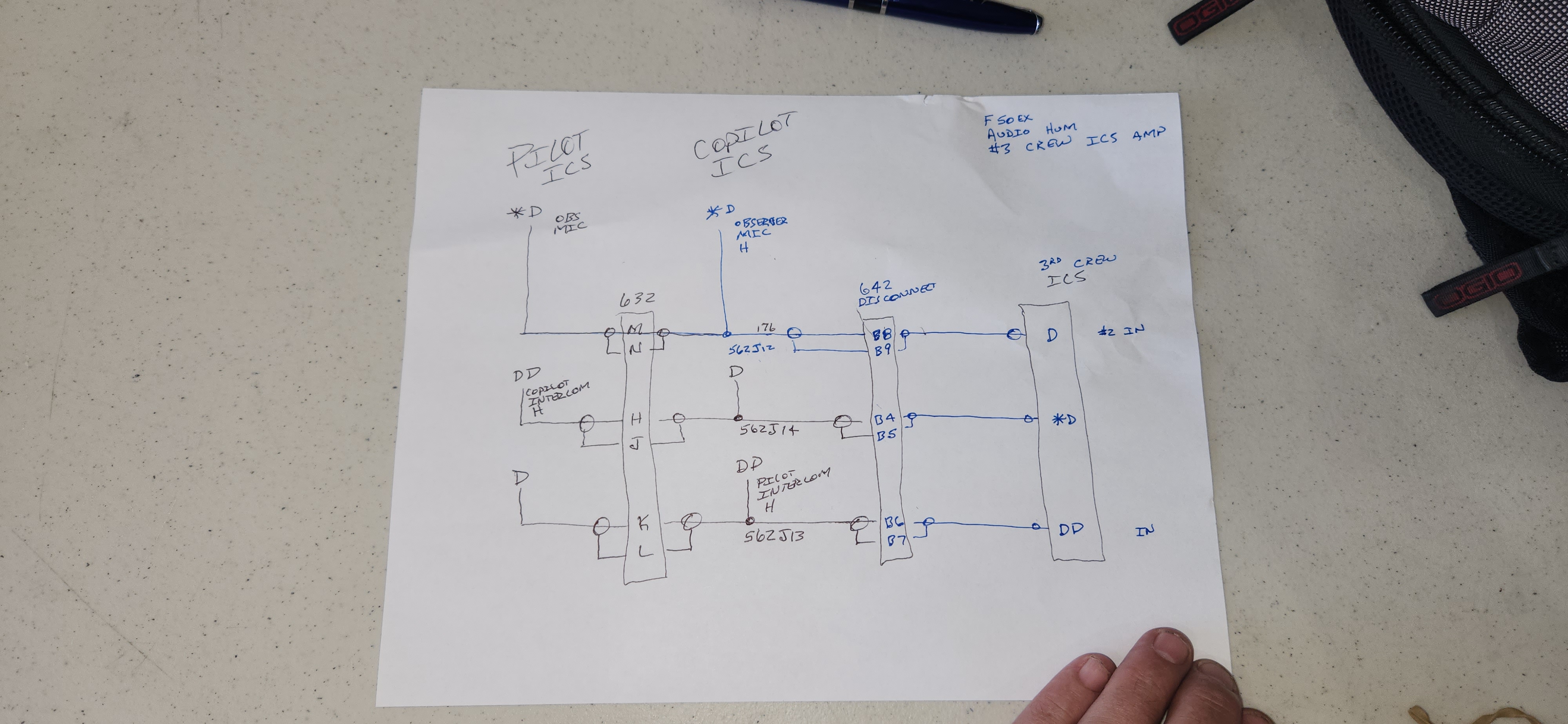
When PIN D is pushed out of the 3rd crew audio control plug, problem goes away.
Problem solved itself after 2 hours of troubleshooting.
Figures.
Later , pin d and another pin(ics) wer found swapped by the dom.
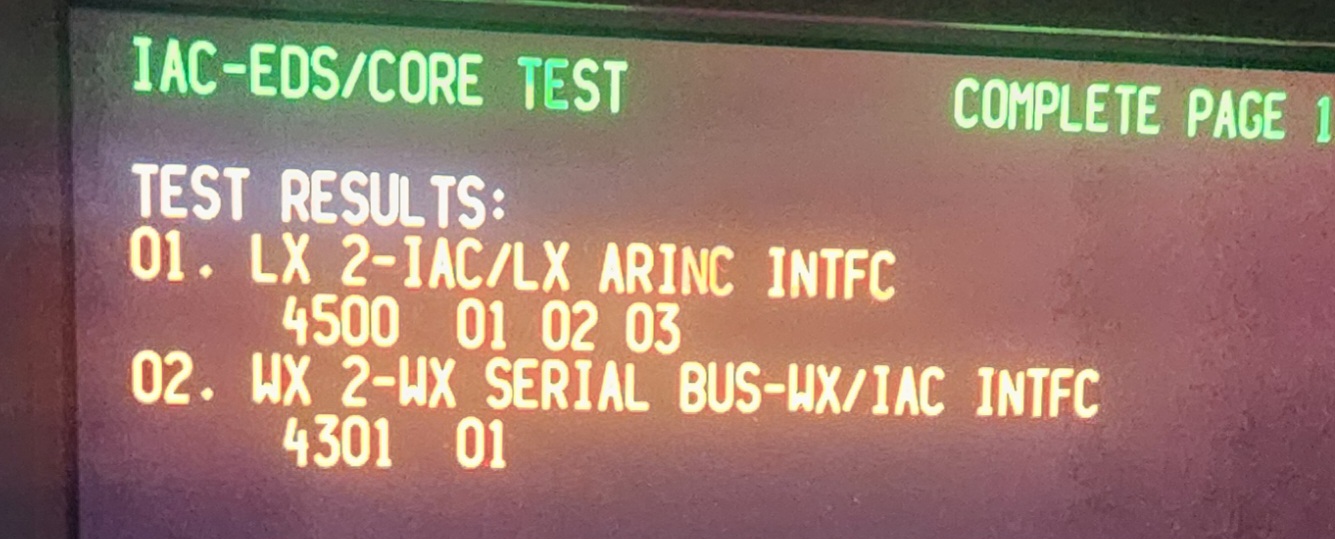
The squad has now morphed: RadAlt (EGPWS?) audio very low. There is still a hiss after ICS squelch break,and after ICS voice ends. Same with ATC audio.
After much troubleshooting, this is the simplest squawk we can get:
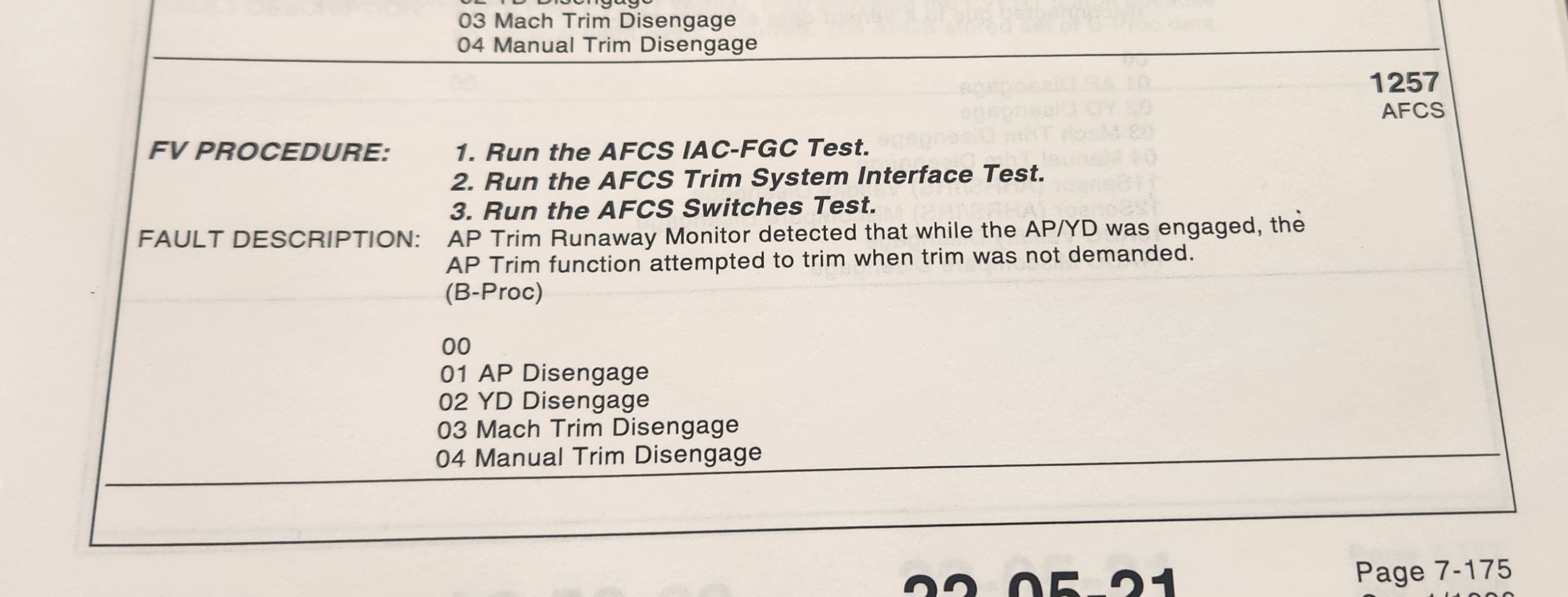
AP will occasionally “release” the pitch control. AC might drift down at 100 ft/min. Pilots can gently pull up on the yoke and regain altitude. The yoke is “free”, as in no drag or contercommand from the pitch servo. During this time the autopilot will remain engaged. (Later note, this part of the squawk ONLY surfaced after Pitch servo exchange)
______________________
Initial investigation will be
1. Wires from the FGCs to Pitch servo.
2. CWS mode engaging for some reason.
3. The exchange pitch servo has a different squawk than the original. Suspect failed exchange servo.